top of page
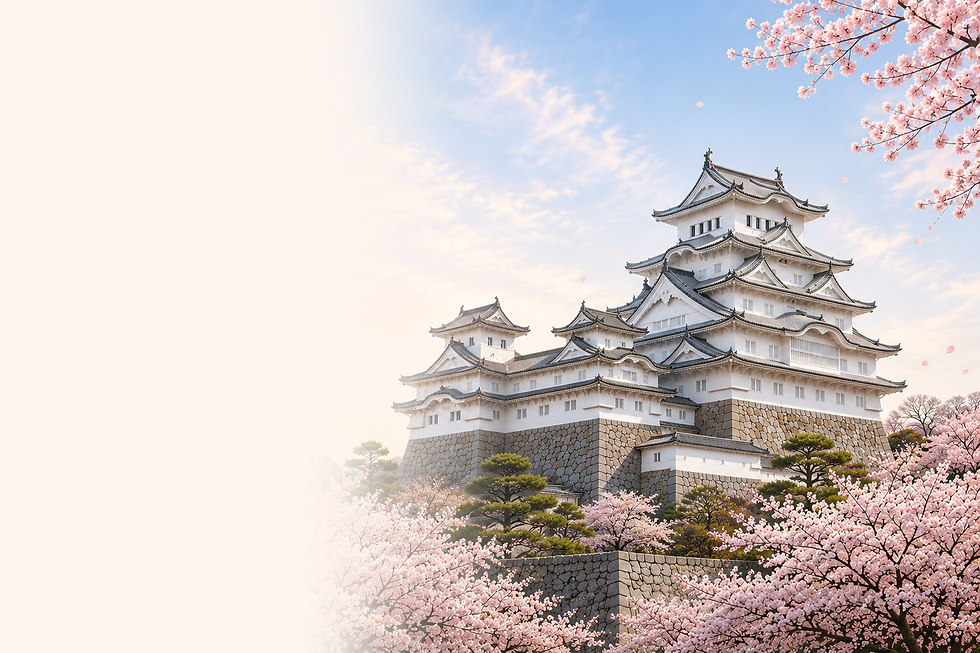
JAPAN GUIDE
Your complete guide to traveling Japan.
Everything you need to know - from culture and transportation to food, language, and practical tips - to help you travel Japan with confidence and respect.
Everything You Need to Know
__________
Essential information for an unforgettable trip to Japan.
__________
Culture & Etiquette
Bow slightly when greetying or thanking.
Remove shoes indoors (homes, temples, ryokan, some restaurants.
Keep your voice low in public spaces and on trains. No talking onphones on trains.
Avoid tipping - its not expected in Japan.
Use both hands when giving or receiving something.
Food & Drink
Must-try: sushi, rame, tempura, okonomiyaki, yakitori, matcha.
Convenience store food (konbini) is surprisingly high quality.
Many restaurants are small - arrive early or expect a wait time.
Look for meal ticket machine at restaurants to make checkout easier.
Practical Tips
Wi-Fi available in hotels, cafes, and most public places.
Download useful apps: Google Maps, HyperDia, Google Translate, etc.
Convenience stores have ATMs, food, and most essentials (umbrellas).
Common business hours are typically 10:00 AM - 7:00 PM.
Practical Tips
Practical Tips
Japan Quick Facts
Offical Name Japan | 日本
Population 125+ million
Area 377,975 km²
Religion Shinto, Buddhism
Internet Domain .jp

Calling Code +81

Getting Around
Trains are the most efficient way to travel.
Get a Suica or Pasmo IC card for easy tap-and-go payments.
JR Pass is great if your doing long-distance travel (7, 14, or 21 days).
Subways & buses cover cities thoroughly.
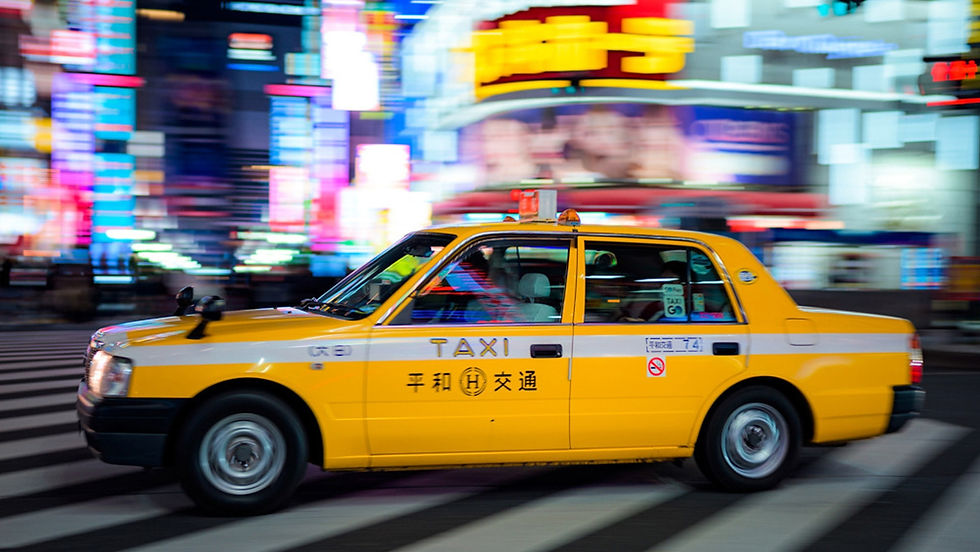
Taxis are clean and safe but can be expensive.
Money and Payments
A lot places accept cash only, especially small shops and restaurants.
ATMs: 7-Eleven ATMs are foreign card friendly.
Credit cards accepted in most places in bigger cities.
Keep small bills and coins ready for daily use (vending machines).
Where to Stay

Hotels - comfortable and convinient for any budget.
Ryokan - Traditional Japanese inns for a unique experience.
Hostels and Guest Houses - Affordable and good for solo travel.
Vacation Rentals - Great for families, groups, and longer stays.
Popular Japan Travel Apps
Make your trip smoother with these must-have apps.


Google Maps
Navigation, transit, local info.
Suica / Pasmo
IC cards for easy train and bus travel.

HyperDia
Train schedules and routes.
Japan Official Travel App
Offical travel guide.

Google Translate
Translation and camera mode.
Tabelog
Restaraunt reviews and ratings,

Stay Connected
Get connected with an e-SIM from Japan e-SIMs and stay connected your entire trip!

Language Basics
Konnichiwa - Hello
Arigatou gozaimasu - Thank you
Sumimasen - Excuse me / Sorry
Eki wa doko desu ka? - Where is the station?
Menu o kudasai? - Can I have the menu, please?


01
Greeting & Bowing
___
Bowing is a common and important greeting in Japan, It shows respect, gratitude, and can be used in many everyday situations.
A slight bow is appropriate for most situations.
A deeper bow may be used in formal settings.
A smile while bowing is always appreciated.
Handshakes are common in business setting, but a bow is still a nice gesture.
02
Shoes & Indoor Etiquette
___
It's customary to remove your shoes when entering homes, temples, ryokan, and some restaurants. Keeping your shoes off hekps maintain clean and respectful spaces.
Look for a genkan (entrance) or shoe area.
Slippers are often provided for your comfort.
Keep your socks clean and in good condition.
Follow the same rules in traditional accommodations like ryokan. Most modern hotels don't have such a strict policy.
Some places have seperate slippers for bathrooms.


03
Public Behavior
___
Japan is known for its peaceful and considerate society. Being mindful of others helps make the experience better for everyone.
Keep your voice low in public spaces and on trains.
Avoid talking on the phone, especially on trains.
Be mindful of lines and wait your turn.
Dispose of trash properly (trash cans can be limited).
Avoid eating while walking (except at festivals).
Be considerate of all personal space.
04
___
Public Behavior
Japan's temples and shrines are important spiritual sites and an integral part of Japanese culture. They are places of worship, reflection, and history. Visitors are always welcome, and a little etiquette goes a long way in showing respect.
Dress modestly and be respectful.
Keep voices low and avoid disruptive behavior.
Follow any posted rules and avoid restricted areas.
Take photos where its allowed, but be mindful of others.
Avoid walking in the center of paths.
Be respectful during ceremonies or prayers.


How to Worship at a Shinto Shrine
A simple step-by-step guide to follow the traditional way.


At the water basin (temizuya), rinse your left hand, then right hand, then mouth (don't drink directly from the ladel), and finally your left hand again.
Purify Yourself
Approach the Shrine
Walk through the torii gate. Bow before entering as a sign of respect.
Place a coin (usually 5 Yen coin, which is considered a lucky number) into the offering box.
Make an Offering
Follow the traditional sequence:
1. Bow deeply.
2.Clap your hands twice.
3. Make your wish or offer a prayer.
4. Bow deeply again.
Pray
You can write your wishes on a wooden plaque (ema) and leave it at the shrine. They are usaully sold at bigger shrines.
Optional: Ema
You can draw a fortune. If you receive bad luck, its common to tie it to the rack or tree at the shrine to leave the bad luck behind.
Optional: Omikuji


01
Trains: The Best Way to Travel
___
Japan's train system is fast, reliable, and connects almost everywhere. From local trains to the famous Shinkansen (bullet train), its the essiest way to explore Japan.
Use Google Maps or a Japan transit planner for routes.
Trains run frequently and are almost always on time.
Get an IC card (Suica or Pasmo) for easy tap-and-go payments.
Consider a JR Pass if you're doing long distance travel, can buy in 7, 14, or 21 day passes.
Be mindful of quiet cars and keep noise levels low.
Line up in an orderly manner and let passengers exit before baording.
02
Subways & Local Transit
___
Subways are the best way to get around in major cities like Tokyo, Osaka, and Kyoto. They're easy to use and well connected.
Signs are in Japanese and English.
Use and IC card or buy a single-ride tickets at machines.
Trains can get crowded during rush hours (7-9 AM, 5-7PM).
Priority seats are for elderly, pregnant, and disabled passengers.
Look for color-coded lines and numbers to navigate easily.


03
Buses
___
Buses are great for reaching areas that trains don't, especially in smaller towns and scenic regions.
Pay with an IC card or cash.
Take a numbered ticket when boarding.
Check the destination on the front of the bus (usually in English).
Press the button before your stop to signal the driver.
Be mindful and quiet, especially on local buses
04
___
Taxis
Taxis are clean, safe and conveninent, but they can be expensive compared to trains and buses.
Doors open automatically - just wait for them.
Most taxis accept cash, many accept credit cards.
Show your destination in Japanese.
Taxis are a good option late at night or when carrying luggage.
Rideshare apps like GO or Uber work in many cities.
Other Ways to Get Around

Bicycles
Great for exploring smaller towns and tourist areas.
Rental Cars
Useful for rural areas, but be aware of tolls and parking.

Ferries
A scenic way to visit islands like Miyajima, Naoshima, or Hokkaido.

Domestic Flights
Save time on long distances (such as Tokyo to Sapporo or Okinawa.

01
___
Essential Phrases
These are the most useful phrases to know. Even a simple "hello" or "thank you" in Japanese is always appreciated.
こんにちは
ありがとうございます
すみません
はい / いいえ
お願いします)
どこですか
トイレはどこですか
いくらですか
助けてください
おいしい です
また来ます
Konnichiwa
Arigatou gozaimasu
Sumimasen
Hai / Iie
Onegaishimasu
Doko desu ka?
Toire wa doko desu ka?
Ikura desu ka?
Tasukete kudasai
Oishii desu
Mata kimasu
Hello / Good Afternoon
Thank you
Excuse me / Sorry
Yes / No
Please (when asking)
Where is...?
Where is the restroom?
How much is this?
Please help me
It's delicious
I'll come again
02
___
Pronunciation Tips
Japanese pronunciation is generally straightforward. Here are a few quick tips to help you sound more natural.
Each syllable has a consistent sound (no silent letters.)
Japanese words are pronounced as they are written.
Japanese words are pronounced as they are written.
A slightly slower pace is prefectly fine.
When in doubt, listen and repeat - most people will appreciate the effort alone!

Learn Japanese on the Go
TRAVEL SMARTER
Build your confidence with a language app and make the most of your trip to Japan.
03
___
Useful Signs & Symbols
Many signs in Japan include both Japanese and English, but it's helpful to recognize common words and symbol.

トイレ
Toilet / Restroom

ATM
ATM

駅
Station
Wi-Fi
Wi-Fi

出口
Exit

Convenience Store
コンビニ

禁煙
No Smoking

病院
Hospital
04
___
Final Tips
A little effort with the language goes a long way in Japan.
Use translation apps when needed.
Many younger Japanese people can understand basic english especially in major cities.
Download Japanese offline in your translation app.
Be polite and patient - communication is a 2 way effort.
Use gestures and context when words fail.
Learn a few key phrases before your trip.

01
Must - Try Foods
Japan has an incredible and diverse food culture. Here are some classic dishes you won't want to miss.

Sushi
Fresh, simple, and world - famous.

Okonomiyaki
A savory pancake, especially popular in Osaka.
___

Ramen
A must-try in every region.

Takoyaki
A popular street food.

Tempura
Light, crispy, and delicous.

Wagyu
World - renowned Japanese beef.
02
Dining Etiquette
___
A few simple tips will help you feel more comfortable and show respect while driving in Japan.
It's okay to slurp noodles - it shows you're enjoying the food.
Avoid sticking chopsticks upright in rice.
Don't pass food directly from chopstick to chopstick.
It's polite to finish what you're given.
"Gochisousama deshita (ごちそうさまでした)" means "Thank you for the meal".
Restaurant Finder App
TRAVEL SMARTER
Build your confidence with a language app and make the most of your trip to Japan.
03
___
Where to Eat
From high - end restaurants to casual spots, Japan has options for every budget.

Restaurants
From Michelin - starred dining to casual local spots.

Izakaya
Casual pubs with great food and drinks.

Street Food
Try local specialities at markets and festivals.
Surprisingly good and affordable meals.
Convenience Stores
05
Quick Tips
___
A few extra things to keep in mind while enjoying Japan's food scene.
Some places are cash - only.
Reservations are recommended for popular restaurants.
Try seasonal foods - menus often change with the season.
If you have food allergies, make sure to use a translation app to relay the allergies.
Look for regional specialties wherever you go.
04
___
Popular Drinks
From green tea to sake, there are many unique drinks to try in Japan.

Green Tea
A staple of Japanese culture.

Sake
A traditional rice wine.

Matcha
Popular in drinks and desserts.

Japanese Beer
Crisp, refreshing, and widely available.


01
___
Cash vs. Card
Both cash and cards are widely used in Japan. It's best to have a combination of both, especially in smaller towns and local restaurants.

Cash
Still widely used, especially at local shops, restaurants, and temples.
Many smaller businesses are cash - only.
ATMs are easy to find at convenience stores.
Keep some small bills and coins for convenience.


Credit/Debit Cards
Accepted at most hotels, large restaurants, department stores, and tourist attractions
Visa and Mastercard work widely.
American Express is less commonly accepted.
Let your bank know you're traveling to avoid any issues.


02
___
ATMs in Japan
The easiest and most reliable way to get cash is through ATMs at convenience stores, especially 7-Eleven.
7-Eleven ATMs accept most international cards.
Lawson and FamilyMart ATMs also work well.
ATMs at post offices and major banks have limited hours.
Choose to withdraw in Japanese Yen (JPY) to get the best exchange rate.
Some foreign cards may not work, so have a backup card if possible.

03
___
IC Cards (Suica & Pasmo)
IC cards are rechargeable prepaid cards that make it easy to pay for trains, buses, and even at some stores and vending machines.

Use at trains, buses, convenience stores, vending machine, and more.
Easy to top up at stations and convenience stores.
Suica and Pasmo work in most major cities.
You can also add them to digital wallet (Apple Wallet)
04
___
Prices & Budgeting
Japan can fit a variet of budgets - from affordable street food to luxury dining. Here are some rough prioce ranges to give you an idea.
Budget Meal
¥500 - ¥1,000
or
$3 - $7

Coffee
¥300 - ¥600
or
$2- $4
Tip: Many everyday items in Japan are very reasonably priced compared to other major travel destinations.
Train Ride
¥170 - ¥500
or
$1 - $3

Hotel
¥6000 - ¥20,000
or
$40 - $135
05
___
Tipping in Japan
Tipping is not expected in Japan and can even be considered rude in some situations.
Good service is already included - it's part of Japanese hospitality.
You don't need to tip at restaurants, hotels, or taxis.
If you really want to show appreciation, be polite and use manners.
In rare cases, a tip may be accepted at high end hotels, but its not necessary.

No need to tip!
Tipping culture in Japan does not exist. It can even sometimes be considered rude.
06
___
Money - Saving Tips
A few simple tips can help you make the most of your budget while traveling in Japan.
Use IC Cards for easy and often discounted travel.
Look for set menus (teishoku) - great value for a full meal.
Visit convenience stores for affordable and high quality food.
Take advantage of free attractions like temples, shrines, and parks.
Consider travel passes (like the JR Pass) id you'll be doing a lot of long-distance travel.
Shop at drugstores and 100-yen shops (Daiso) for essentials and souvenirs.

01
___
Types of Accomodation
Japan has a variety of unique places to stay, from modern to centuries - old ryokan. Each offers a different experience.

Hotels
Modern, comfortable, and reliable. Great for first-time visitors.


Guesthouses
Family - run, cozy, and a great way to meet locals.


Ryokan
Traditional Japanese inns with tatami rooms, kaiseki meals, and onsens.

Vacation Rentals
Good for families or longer stays. Available in cities and rural areas.

Hostels
Traditional Japanese inns with tatami rooms, kaiseki meals, and onsens.


Luxury Stays
World - class service and unforgettable experiences for special occations.
03
___
Booking Tips
A few things to keep in mind when booking your acommodation in Japan.
Book early, especially during peak seasons (cherry blossom season, Golden Week, and fall foliage).
Use trusted sites like Booking.com, Agoda, or the hotel's offical website.
Check the cancellation policy.
Look for locations near train stations for easy access.
Read recent reviews to get a sense of the experience.
Some ryokan and smaller hotels may require payment in advance.
If you have special requests (dietary needs, late check-in, etc.), contact the property directly.
05
___
Unique Stays to Consider
Looking for something different? Japan has some amazing one-of-a-kind acommodations.

Temple Lodging
Stay overnight at a Buddhist temple for a peaceful and spiritual experience.
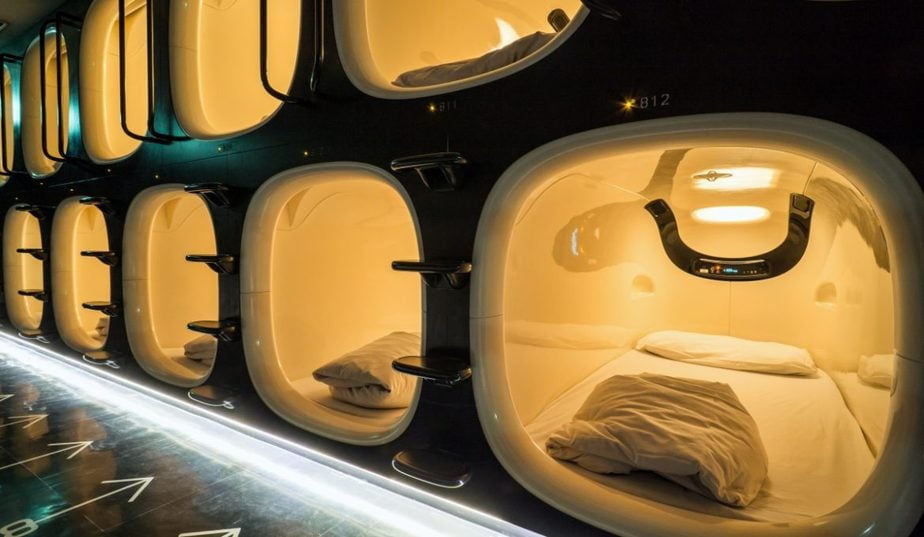
Capsule Hotels
A uniquely Japanese experience. Compact, affordable, and surprisingly comfortable.

Onsen Resorts
Relax in natural hot springs, often located in scenic areas like Hakone, Beppu, or Hokkaido.
04
___
Typical Prices
Prices in Japan vary by location, season, and type of acommodation. Here's a general range (per night).

Business Hotel
¥5,000 - ¥10,000
or
$35 - $70
Hostel
¥2,000 - ¥5,000
or
$14 - $35

¥15,000 - ¥40,000
or
$105 - 280
Ryokan

¥30,000 +
or
$210 +
Luxury Hotel
02
___
Where to Stay by Travel Style
The best place to stay depends on your travel goals. Here are some recommendations based on different types of trips.

First-Time Visitors
Stay in central areas like Tokyo (Shinjiku, Shibuya), Kyotot (near the station), or Osaka fir easy access to major attractions.

Families
Look for larger hotel rooms or vacation rentals. Many hotels offer family rooms and child-friendly amenities.

Solo Travelers
Hostels or business hotels are great options. They're safe, affordvable, and make it easy to meet other travelers.

Couples
Consider a ryokan for a traditional experience or a botique hotel for something special.

Nature & Rural Travel
Stay in a ryokan or guesthouses near national parks, onsen towns, and rural areas for a more authentic experience.

06
___
Quick Tips
A few extra tips to help you have a comfortable and enjoyable stay.
Many hotels provide basic amenities (toothbrush, pajamas).
Some accommodations have curfews, especially ryokan and guesthouses.
Be mindful of check in and out times usually (3PM and 10AM).
Look for accommodations with coin laundry if you're on a long trip.
If staying in a ryokan, follow the etiquette (remove shoes, respect the rules).
Consider staying in different types of accommodations to experience different sides of Japan.
Quick Tips
Stay in a ryokan at least once - it's one of the most memorable experiences you can have in Japan.

01
___
The Essentials
These are the must-haves for any trip to Japan, no matter the season.

Passport
Make sure it's valid for the duration of your stay.

Phone
Essential for maps, translation, and photos.

Travel Documnets
Keep digital and physical copies (flights, hotels, insurance, etc.).

Portable Charger
Don't forget a portable charger for long days out.

Credit/Debit Cards
Bring multiple and at least one no foreign transaction fee.

Travel Adapter
Japan uses Type A (100 V). North American plugs will work.
Cash (Yen)
Use for small shops, shrines, and rural areas.

Day Bag
A comfortable bag for daily essentials.
02
___
Clothing for Every Season
Japan's weather varies by season, so pack accordingly.


Spring (Mar - May)
Layers, can get chilly in mornings and evenings.
Light jacket
Comfortable walking shoes
Rain jacket or compact umbrella


Summer (Jun - Aug)
Light, breathable clothing
Hat, sunglasses, sunscreen
Stay cool and pack moisture wicking fabrics.
Small tall (sweat)


Fall (Sep - Nov)
Great season for walking and outdoor activites.
Layers
Comfortable walking shoes
Light jacket and sweater


Winter (Dec - Feb)
Warm coat (it can get very cold especially in the north).
Layers, gloves, scarf, and hat
Waterproof shoes or boots
Hand warmers are useful too
03
___
Japan - Specific Items
These items aren't always necessary, but they can make your trip much easier.

eSIM
Stay connected for maps, translation, and travel info.

Travel Umbrella
Weather can change quickly, especially in spring and summer.

Small Towel
Useful for after restrooms, in summer, and while traveling.

Basic Medication
Bring any prescription meds and basics like pain relievers, cold, or allergy meds.

Refillable Water Bottle
Save money and reduce plastic. Many places have water refill station.

Ziploc Bags
Great for organizing, keeping things dry, or storing snacks.

Tissues/Wipes
Not all restrooms provide toilet paper, so it's good to have these on hand.

Comfortable Shoes
You'll be doing a lot of walking, so comfortable shoes are a must.
04
___
What NOT to Bring
These items are unnecessary or can cause issues in Japan.
Large amounts of cash (Customs + ATMs are found everywhere.
Too many clothes (laundry is easy and affordable).
Drones (require special permits).
Certain Medications (check if yours are legal before).
Large Suitcases (can be difficult on trains).

04
___
Pro Packing Tips
A few extra tips to help you pack like a pro.
Use a carry-on if possible - it's easier on trains.
Choose versatile clothing that can be layered.
Bring a foldable bag for souvenirs.
Leave some space in your luggage - you'll probably want to bring things home!
Check the weather forecast before your trip.
If you're visiting multiple seasons or regions plan for different climates.

01
___
Internet & Connectivity
Stay connected for maps, translation, and more.
SIM Card
Get prepaid SIM at the airport or online.
Good for longer stays.
Affordable and reliable.

Pocket Wi-Fi
Great for multiple devices.
Easy to pick up at the airport or have delivered to your hotel.
Good for groups and families.

eSIM
Quick and convenient.
No physical card needed,
The most popular and my personal favorite option.
02
___
Staying Organized
A little preparation goes a long way.

Keep Digital Copies
Save copies of your passport, travel insurance, and important documents in the cloud (Google Drive, iCloud, etc.).
Use Travel Itinerary
Keep your hotel addresses, train reservations, and key plans in one place. (Google Maps, Notes, or a travel app)
Carry Some Cash
Many smaller shops, temples, and rural areas are cash - only.

Be on Time
Punctuality is important in Japan. Trains, tours, and reservations usually run exaclty on schedule.

Keep Your Phone Charged
Carry a portable charger, especially on long travel days.
03
___
Trains & Transportation
Japan's transport system is world-class, but here are a few tips to make it easier.
Get an IC Card
Suica or Pasmo make travel much easier.
Use for trains, buses, and even stores.
You can top up at stations and vending machines, or get it on your digital wallet.

Use JR Pass (if it makes sense)
Great for long distance travel.
Calculate if it's worth it based on your itinerary.
Regional passes can also be a good option.

Learn to Read Signs
Many signs are in both Japanese and English.
Follow color-coded lines and numbers.
Google Maps works very well for train routes.
04
___
Convenience Stores
Japan's convenience stores (konbini) are a traveler's best friend.


7-Eleven
Suica or Pasmo make travel much easier.
Use for trains, buses, and even stores.
You can top up at stations and vending machines, or get it on your digital wallet.


FamilyMart
Great for long distance travel.
Calculate if it's worth it based on your itinerary.
Regional passes can also be a good option.

Lawson
Many signs are in both Japanese and English.
Follow color-coded lines and numbers.
Google Maps works very well for train routes.

05
___
Useful Apps & Tools
A few helpful tools can make your trip so much smoother.

Google Maps
Navigate trains, buses, and walking routes.
Accurate and reliable in Japan.

Google Translate
Instantly translate signs, menus, and conversations.
Use the camera function for real time translation.

Japan Travel (JNTO)
Official travel app with guides, maps, and tips.
Useful for finding attractions and events.

Weather App
Check the forecast daily.
Weather can change quickly, especially during spring and summer.
06
___
Local Services
A few extra things that can be useful during your trip.

Post Offices
Send postcards and souvenirs.
Many have english support.
Look for the red post box or find an actual office for additional help.

Luggage Storage
Coin lockers are available at most train stations.
Use services like Ecbo Cloak for larger luggage.
Great for exploring hands-free.

Free Wi-Fi
Available at many stations, konbini, and cafes.
Look for "Japan Free Wi-Fi networks"
Consider a SIM or pocket Wi-Fi for more reliable access.
07
___
Final Practical Tips
A few last pointers to keep in mind.
Download offline maps in case you lose signal.
Keep an umbrella or rain jacket with you at all times.
Learn a few basic Japanese phrases to use where you can.
Be flexible - sometimes the best experiences happen when plans change.
Take advantage of tourist information centers near stations.


01
___
The Four Seasons
No matter when you visit, Japan has something special to offer.

Spring
Cherry blossoms and fresh begginings.
Mild temperature.
_____________
Cherry blossom season.
Beautiful for photography.
Avg. Temp: 10-20 C or 50-68F
Many festivals and events.
Summer
Vibrant festivals and outdoor adventures.
Hot and humid.
_____________
Beach trips (Okinawa)
Summer festivals (matsuri).
Great for mountains and nature.
Avg. Temp: 25-35 C or 77-95 F

Fall
Stunning follage and comfortable weather.
Mild temperature.
Beautiful autumn colors (koyo).
Mild temperature.
_____________
Great for sightseeing and attractions.
Fewer crowds than spring.
Avg. Temp: 15-25 C or 59-77F

Winter
Snowy landscape and unique experieinces.
Cold temperatures.
_____________
Skiing and snowboarding.
Less crowded (except holidays).
Avg. Temp: -5 - 10 C or 23-50F
Magical snowy scenery.
02
___
Average Climate
A quick look at Japan's average temperatures and rainfall throughout the year.

Takeaway: Spring and Fall offer the most comfortable weather, while Summer is best for festivals and beaches. Winter is ideal for snow and fewer crowds.
03
___
Major Seasonal Highlights
Famous events and natural beauty to experience throughout the year.
Cherry Blossom Season
Mar - Apr
One of Japan's most iconic and unforgettable experiences.

Summer Festivals
Jul - Aug
Colorful festivals, food stalls, and traditional events across Japan.
Autumn Follage
Oct - Nov
Stunning red and gold leaves, especially in Kyoto, Nikko, and Hokkaido.
Snow Season
Dec - Feb
Skiing, hot springs, and beautiful winter landscapes.
04
___
When to Go for Your Travel Style
The best time to visit depends on what you want to experience.

Best Weather
Best Photography
Fewer Crowds
Best for Festivals
Best for Nature
Best for Onsen
Spring (Mar-May) & Fall (Sep-Nov)
Mild temperatures and clear skies.
Spring (Mar-Apr) & Fall (Oct-Nov)
Cherry blossoms or Autumn follage.
Winter (Jan-Feb)
Quiter, except around New Years holidays.
Summer (Jul-Aug)
Experience traditional Japanese festivals.
Spring, Fall, and Summer
Mountains, beaches, and national parks.
Winter (Dec-Feb)
Nothing beats a hot spring in the snow.
02
___
Crowd Levels by Month
A general guide to how busy Japan can be throughout the year.

06
___
Final Tips
A few things to keep in mind when planning your trip.
Book accommodations early for major holidays.
Check local event calendars for special events.
Consider shoulder seasons for a good balance of weather and smaller crowds.
Be flexible - Japan is beautiful in every season.
Keep an eye on national holidays, travel can be busier.
No matter where you're going, plan ahead and make the most of your time!


Where every journey begins.
Tools and inspiration to help
plan a deeper, more meaningful
journey to Japan.
TRUSTED TRAVEL TOOLS

JAPAN, DEEPER CONNECTIONS
EXPLORE
_____
BUILT FOR EXPLORERS
ABOUT
_____
RESOURCES
_____
STAY INSPIRED
_____
Get travel tips, Japan guides, and exclusive resources straight to your inbox.
FOLLOW US
_____

2026 Sakura Roots. All rights reserved.
bottom of page